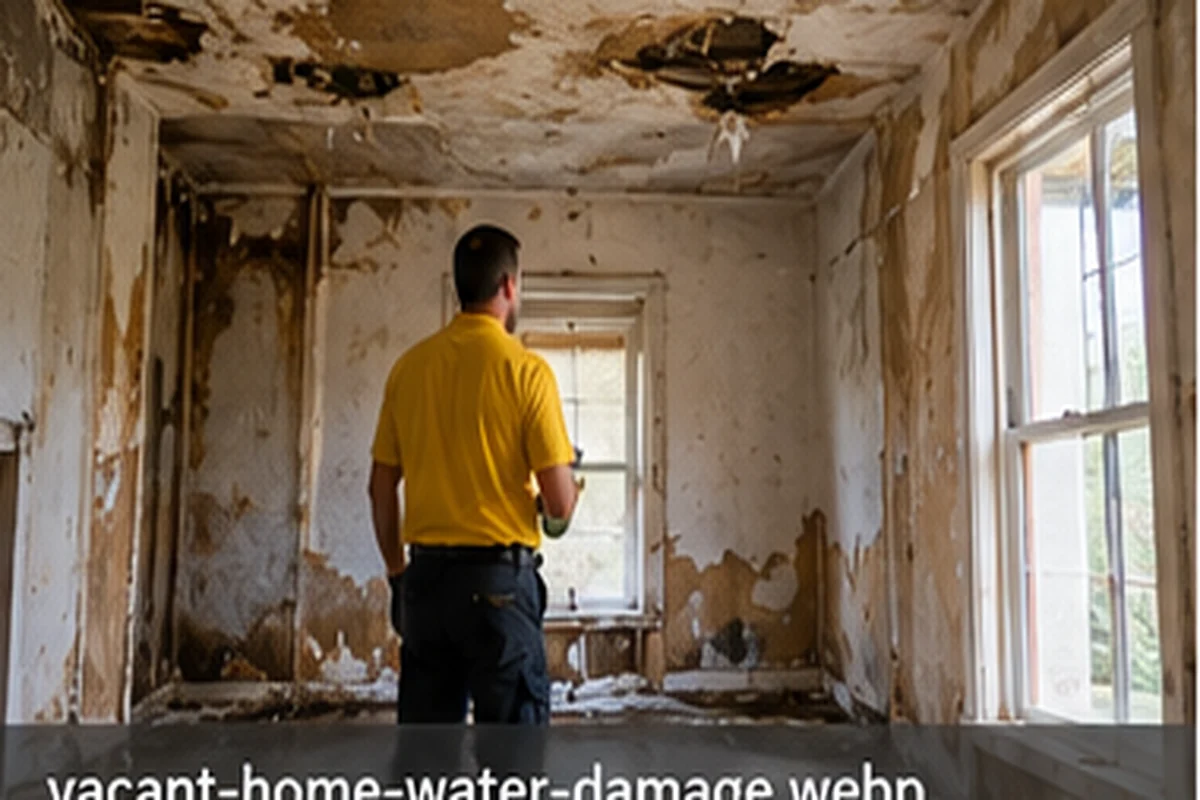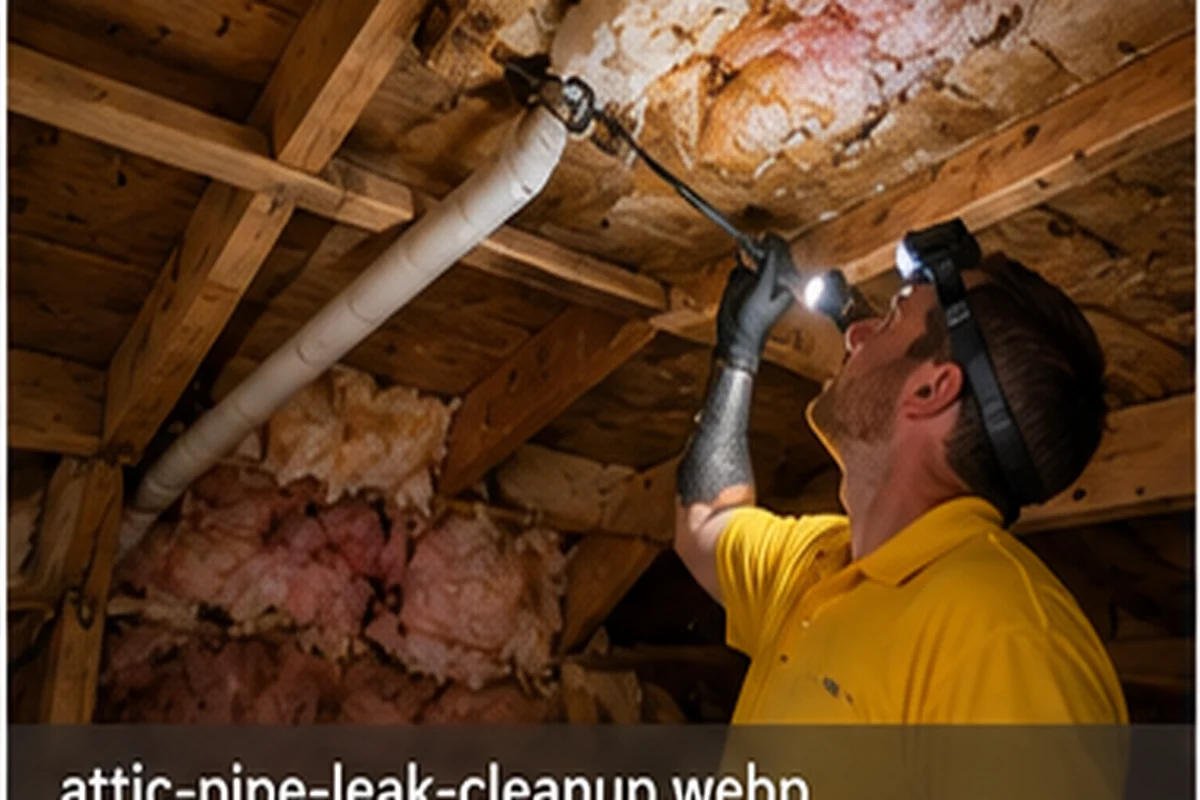
Short version: yes. Mold needs moisture, something to eat and a little time, and a wet wall inside a sealed, air-conditioned house provides all three. The dry climate outside does not dry the inside of the building. If something stayed wet for more than a day or two, it is worth checking.
Dry outside, damp inside
Phoenix-area air is dry for most of the year, and that is the source of the common belief that mold cannot take hold here. The belief is half right. Outdoors, in open air, a wet surface dries quickly in Sun City, and mold has a hard time getting started. Indoors, the picture changes.
Mold does not care what the weather is doing outside. It cares about the moisture content of the material it is growing on. A drywall panel that has been soaked by a slow leak does not dry in the desert air, because it is sealed inside a wall cavity, behind paint and baseboards, in a house that is air-conditioned and closed up for much of the year. The cavity stays damp, the temperature stays moderate, and the paper facing of the drywall is a perfectly good food source. Inside that space, it is not a desert at all.
There is also the matter of a house itself. A tight, air-conditioned home holds humidity from showers, cooking and breathing. During the summer monsoon, outdoor humidity rises, and an air conditioner that is cooling air also pulls moisture out of it, which has to go somewhere. Condensation on cold ducts, in an attic or around a poorly sealed window can wet insulation and framing without any plumbing leak at all.
What mold needs to grow
Four things have to come together before mold becomes a problem. It needs spores, which are everywhere, indoors and out, and cannot be eliminated. It needs a food source, and the paper face of drywall, wood framing, carpet backing, dust and cardboard all qualify. It needs a temperature range that people find comfortable, which is exactly what a house provides. And it needs moisture that stays long enough to let growth start.
Of the four, moisture is the only one a homeowner can control, and it is the one that matters most. When we say that mold is a water damage problem first, we mean it literally. If a wet material is dried quickly and thoroughly, usually within a day or two, mold does not get the chance to start. If it stays wet, growth can begin in that time, and the longer it continues, the more of the material it colonizes. This is why our work on structural drying is also the best mold prevention there is.
Where mold hides in Sun City homes
Because most Sun City houses are single-story ranch homes on concrete slabs, built from 1960 onward, mold tends to turn up in the same few places. The bottom of exterior walls and bathroom walls is common, where a slow leak or a failed seal has wicked water up into the drywall. Cabinet bases under kitchen and bathroom sinks are another, because a drip that is a few drops a day never shows on the floor and keeps the particleboard damp.
The closet around the air conditioner is a frequent location. A clogged condensate drain or an overflowing pan can wet the floor and the lower wall for weeks. The attic is another, because a roof leak or a duct with condensation can soak insulation and sheathing above the ceiling, and the first sign you see may be a stain on the ceiling below. Along a slab leak path, flooring and baseboards stay damp from below, and the damp may be present for a long time before the first discoloration appears. If a seasonal house sat closed for the summer, mold also shows up in rooms farthest from the cooling, in corners where air barely moves, on the backs of furniture pushed against exterior walls and on closet shelves.
Not all of this is dramatic. Mold in a house is often hidden for a long time, and the first signs are small. That is one of the reasons we recommend a moisture mapping survey when anyone suspects a hidden leak.
Signs that deserve attention
A musty or earthy smell, especially one that comes and goes, is the most common clue. It is often stronger when the air conditioner starts, or when you open a closet that has been closed for a while. Stains are another: a ring on a ceiling that has grown or darkened, a discoloration at the base of a wall, or a patch of paint that has bubbled, cracked or peeled for no obvious reason.
Soft or swollen materials are also telling. Baseboards that have swollen, a cabinet base that crumbles when pressed and drywall that feels soft or cool to the touch all suggest moisture that has been present for a while. Visible growth can look like fuzzy or powdery spots in white, green, gray or black, and the color alone says nothing about how serious it is. A history matters as well: a leak that was cleaned up with towels and fans but never measured, an appliance that overflowed or a roof that leaked in a storm. If anything like that happened in the last several weeks and you have noticed one of the signs above, look closer.
Health considerations
Mold can cause symptoms in some people, including sneezing, coughing, congestion, irritated eyes and skin and flare-ups of asthma. People with allergies, respiratory conditions or weakened immune systems are more likely to be affected, and that is worth thinking about in a community where many residents are older. We are not medical professionals, and we cannot diagnose or treat health effects. If someone in the home has symptoms that seem to improve when they are away from the house, or has a condition that makes mold a concern, talk to a doctor and let your restoration company know so the work can be planned with care.
Why bleach and paint do not solve it
The most common mistake is to treat the visible spot and call it done. Bleach on a porous surface like drywall or wood does not reach the roots of the growth, and the moisture that fed it is still there. Painting over mold hides it, and the paint often peels again within months. Spraying a cleaner and wiping may remove the visible part, but it can also spread spores into the air, which can land elsewhere in the house.
The right order of work is the reverse. First, find and fix the source of moisture, whether that is a leak, a drain or a ventilation problem. Second, determine how much material is affected and what has to be removed. Third, contain the area so spores do not travel, remove what is colonized, clean the surfaces that remain with HEPA vacuuming and appropriate cleaners, and dry everything. Skipping the first step guarantees that the problem returns. Our overview of the mold removal process lays out each phase in detail.
Do you need testing?
People often ask whether they should buy a home test kit. In general, they are not very informative, because mold spores are present in every house, and a kit that finds them says little about whether there is a problem. What matters is where the moisture is, how far it spread and what materials are affected. A trained person with a moisture meter and a thermal camera answers those questions better than a sample does.
That is why our approach starts with an inspection. We look at the area, measure moisture, check cavities and decide whether sampling would add useful information. Sometimes it does, for instance when an independent verification is needed for a larger job, or when an insurer asks for it, and often it does not. If you are curious what an assessment involves, read about mold inspection and assessment.
When professional help makes sense
A small spot of surface mold on a hard, nonporous material, such as a bathroom tile or a window sill, can be cleaned carefully by a homeowner who wears gloves and a mask and keeps the area ventilated. Anything beyond that is a different matter. If mold is on drywall, in carpet or in an area larger than a few square feet, if you can smell it but cannot see it, if a wall has been wet for more than a day or two, or if someone in the home is sensitive to mold, call a professional.
A professional crew works under containment, with plastic barriers, negative air and filtered exhaust, so that the removal does not spread spores. They remove materials that cannot be cleaned, clean what stays and dry the structure to a documented standard. Our page on mold remediation and containment explains how we do this, and our page on odor and sanitization covers the cleanup that follows when a smell lingers.
Preventing mold in a desert home
You cannot make a house mold-proof, but you can make mold unlikely. Fix leaks the day you find them, even small ones, and dry any wet material within a day or two, by measuring and not by feel. Keep indoor humidity reasonable, ideally below about half, and run the bathroom and kitchen exhaust fans. Have the air conditioner serviced each year, and ask the technician to clear the condensate line and check the pan. Look under sinks every few months, and replace any supply line that is cracked or corroded.
If you leave your house for the summer, set the air conditioner to a moderate temperature rather than turning it off, and have someone check the house on a schedule. Our checklist for leaving your Sun City home for the season goes through this step by step. And if water does get in, our guide to what to do after a water leak covers the first hours.
Mold and insurance
Insurance policies treat mold in different ways. Some exclude it altogether, some limit coverage to a dollar amount and some cover mold that results from a covered water loss. The details vary, so ask your insurer early, before work begins. We keep clear records of when the moisture began, what the readings were and what work was done, and we can provide that documentation to you and your insurer. We cannot interpret a policy or promise what will be covered.
Questions
Can mold grow in an air-conditioned house?
Yes. Air conditioning lowers temperature, but a wet wall cavity or a damp closet stays wet whatever the thermostat says. Condensation can also create damp spots that need no leak at all.
How fast can mold start?
On a wet material, growth can begin within a day or two. That is why prompt drying matters.
Is black mold more dangerous?
Color does not tell you the type or the risk. Any indoor growth should be treated seriously, and an inspection tells you more than color does.
Will my homeowners insurance pay for mold?
It depends on the policy and on the cause of the moisture. Ask your insurer before work starts, and keep records.